
Okay, so check this out—when I first opened a Solana dapp in a browser and used a web wallet, I had that little jolt of “whoa, this actually works.” Wow! It was simple. It clicked. But then, as I poked around, somethin’ felt off about how wallets and dapps negotiated trust in a purely web context. My instinct said: the web version of Phantom could either make onboarding feel effortless or quietly break security expectations. Hmm… that tension is where real product design shows itself.
Short version: Phantom’s web approach needs to balance speed, UX, and cryptographic safety. Seriously? Yep. On one hand you want the frictionless connect that web users expect—no downloads, no weird extensions. On the other hand, you’re asking people to give a web page signatures over their assets. Initially I thought users would accept that tradeoff more readily, but then I realized they’d only stick around if the interface communicated risk clearly, and if recovery and hardware support were rock solid.
Here’s what bugs me about most “web wallet” pitches—they promise simplicity but hide complexity behind single-click flows. That convenience is addictive. It also masks dangerous assumptions. For example, a wallet that auto-approves repeated signatures because the dapp requested them? That’s a UX win and a security nightmare. On Solana, where interactions are multiple tiny instructions, those granular decisions matter. So, Phantom’s web offering has to show intent, not just trust by default.
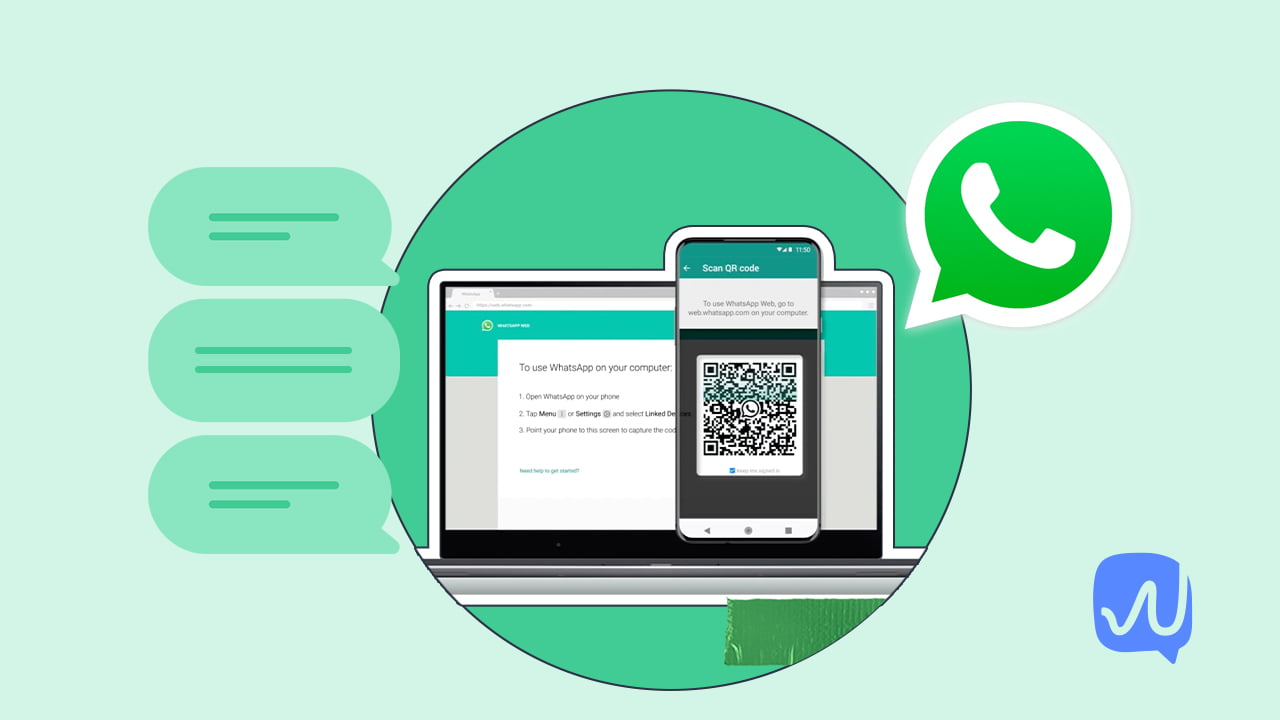
How Phantom Web actually changes the user journey
First, it’s about onboarding. People coming from Web2 expect to open a link and go. No installs. No extension juggling. Phantom Web (yes, I used it; and yes, that’s the link phantom web) lets you do that. It hands users a transient session or a persistent account depending on their needs. But the nuance is in the details: session scope, transaction previews, and hardware fallback. Those are the guardrails.
Transaction previews. Short sentence. They are everything. A good preview tells you what will change, who’s paying fees, and whether you’re signing a token transfer or simply granting view-only access. Phantom Web’s UI can surface this plainly. On Solana, an instruction could be a token transfer, a program upgrade, a staking change, or a harmless memo. Medium-length sentences that explain this help users make informed choices.
Security measures matter. Really. Phantom Web uses in-browser key management with options to connect a Ledger or pass through a remote signer (for advanced users). On one hand, in-browser keys make onboarding painless. Though actually—let me rephrase that—on-browser keys are convenient but increase exposure to malicious script injection unless the wallet uses strict sandboxing and origin checks. So Phantom’s approach to isolate signing operations inside a dedicated iframe (or similar secure context) is smart, but not bulletproof. Developers must avoid loading third-party scripts into the same origin, and users should be told why that matters.
Performance on Solana helps here. Transactions are cheap and fast, which makes micro-interactions feel natural in a web flow. But because interactions are frequent, UX must help users avoid “fatigue signing.” My gut thought was: throttle the number of signature prompts by batching where appropriate. Later I realized—actually, wait—batching also changes user mental models about atomicity. Batching can be good, but it must be explicit, with clear labels like “This will send three transfers in one go.”
Developer ergonomics are also a win. Phantom Web implements the same provider APIs many dapps expect, so porting is straightforward. From a dev’s POV, fewer support tickets, faster flows, and higher conversion. From a security POV, fewer extension dependencies to worry about. That combination is where adoption accelerates. Still, there’s a caveat: dapps must implement fallback strategies for popup blockers and cross-origin frame policies (oh, and by the way, safari tends to be a pain for third-party cookies sometimes…).
Privacy gets overlooked. People assume wallets are private by default. They aren’t. Wallets reveal addresses and on-chain history immediately upon connect. Phantom Web can help by giving ephemeral accounts and clear “what connects” UI, but the ecosystem needs standards: ephemeral sessions, selective disclosure, and clear expiration policies. I’m biased, but I want a mode where I can try a dapp with a throwaway wallet that I can permanently discard after 10 minutes. That would change behavior.
Let’s talk recovery. Short sentence. Without a native app, how does someone recover a key? Phantom Web offers recovery phrases and linking to hardware. That’s fine. But recovery UX in web contexts must be idiot-proof—because if it isn’t, users will write their seed on a sticky note and lose it in a New York coffee shop. (True story: I once watched someone tape a seed to a laptop. Never do that.)
On interoperability: Solana dapps use a range of program interfaces, and Phantom Web needs to keep conversation channels open. That means supporting SPL tokens, associated token accounts, memos, and custom program IDs seamlessly. For power users, the wallet should expose a raw instruction view. For novices, it should translate instructions into plain English. That translation is tough to get right but worth the engineering time.
Community trust matters. A web wallet scales quickly, but it also scales risk. If a phishing site mimics a dapp’s UI and asks to connect, users might not notice. Phantom Web can mitigate this with domain whitelists, visual indicators (badges or color cues), and education nudges. But it’s a social problem too: builders need to standardize how dapps request permissions and how wallets present them. This is where standards like Wallet Standard or proposed Solana UX patterns help—though adoption is a slow grind.
Developer note: I sometimes find myself toggling between “experience-first” and “security-first” perspectives. On one hand, remove friction to onboard users quickly. On the other hand, teach users to be cautious. The solution is not binary. It’s layered: education, defaults, and optional guardrails that users can opt into as they gain confidence.
What about things that still need work? A few things: better phishing detection, clearer gas-fee metaphors for newcomers (fees are tiny on Solana, but people still worry), and better ledger integration in browsers without resorting to obscure native drivers. Also, wallet-to-wallet messaging (for social features) could be streamlined, though that opens a whole other can of worms about metadata and privacy.
Okay, final thought—my emotional arc here shifted. I started skeptical, then got optimistic, then cautious again. So I’m ending curious. Curious about how web wallets will reshape onboarding and what guardrails will emerge as defaults. I’m not 100% sure which patterns will stick, but the direction is promising. The web can democratize access to Solana dapps if wallets like Phantom Web get the tradeoffs right—and if users actually learn to spot sketchy permission prompts.
FAQ
Is Phantom Web as secure as the browser extension?
Short answer: close, but depends. Phantom Web can be very secure if you use hardware backing (Ledger) or strong recovery practices, and if the dapp ecosystem follows best practices like using secure contexts and clear transaction previews. Longer answer: browser-based keys increase exposure to web risks, so prefer hardware or ephemeral modes for high-value operations.
Can I use Phantom Web with Ledger?
Yes. Phantom Web supports hardware signers; integration varies by browser and OS. If you care about security, connect a Ledger and use it for signing important transactions. It adds a bit of friction, but it’s worth it for large transfers or contract upgrades.
What should dapp builders do differently for web wallets?
Make permission requests explicit. Avoid excessive tiny signs that lead to prompt fatigue. Provide plain-English transaction explanations. Implement fallback flows for users who block popups or who need hardware signers. And test in real-world browsers—Safari and mobile browsers often behave differently.